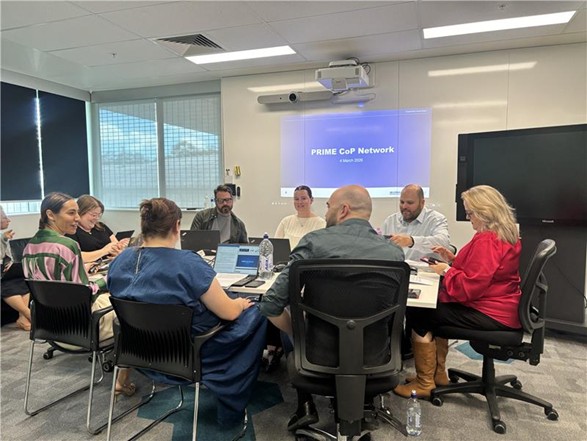
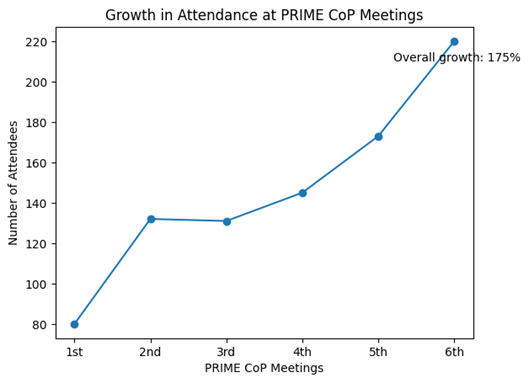
Thanks to the 220 attendees who joined us for the first PRIME Network meeting of 2026! If you couldn’t attend this insightful session or would like a quick recap, here’s a summary of the key discussions.
Key updates were provided by the Digital Archive Team, including progress on the draft retention and disposal schedule for source records, insights from the first round of Whole of Government consultation, and an overview of the technical specifications for digitisation and file format migration. Attendees also had the opportunity to provide feedback on the practicality and applicability of these specifications.
The First Nations Strategy Team also engaged attendees in a discussion on embedding the First Nations Principles outlined in the Public Records Act 2023. This session emphasised the importance of governance clarity and cultural awareness in managing records relating to Aboriginal and Torres Strait Islander peoples and communities, ensuring that contemporary recordkeeping decisions are informed, accountable, and sensitive to historical and cultural contexts. Read on for a detailed breakdown of the meeting highlights and next steps.
SESSION 1: DIGITAL ARCHIVE TEAM
The team provided an update on the progress of the draft retention and disposal schedule for source records post conversion or system migration. The presentation included a recap of what QSA means when discussing source records, and what source records are covered under the proposed disposal authorisations in the draft schedule.
The team then summarised key findings from the first round of Whole of Government consultation (29th October to 5th December, 2025) on the draft schedule and appraisal log. Sixty-five public authorities provided feedback during this consultation, with most reporting no issues with the proposed disposal classes for records that have been digitised or converted to a new format (both temporary and permanent). Eighty-six percent of participants also indicated a strong likelihood of implementing the disposal authorisation on permanent records created on or after 1 January 1980 once the schedule is authorised by the Queensland State Archivist.
Technical Specifications to assist source records disposal
This session also focused on the technical specifications and advice recently drafted by QSA on how public authorities can best digitise or convert their public records in order to meet the conditions outlined in the draft source records disposal schedule. The Digital Archive Team presented key content from the technical specifications for digitisation and file format migration. The team also explored what good practice looks like and what the ideal outcome for converted records entails. Through the use of the AHA platform, all attendees were given the opportunity to have their say on the efficacy of these technical specifications, providing feedback on whether or not the advice QSA is giving in this space is practical and fit for purpose.
Next steps
Public authorities will have another chance to provide formal feedback on the source records retention and disposal schedule. A second round of Whole of Government consultation is scheduled for the end of March 2026, and will include both the updated schedule and appraisal log, as well as the draft technical specifications.
SESSION 2: FIRST NATIONS STRATEGY TEAM
A yarn about embedding the First Nations Principles: Governance in Practice
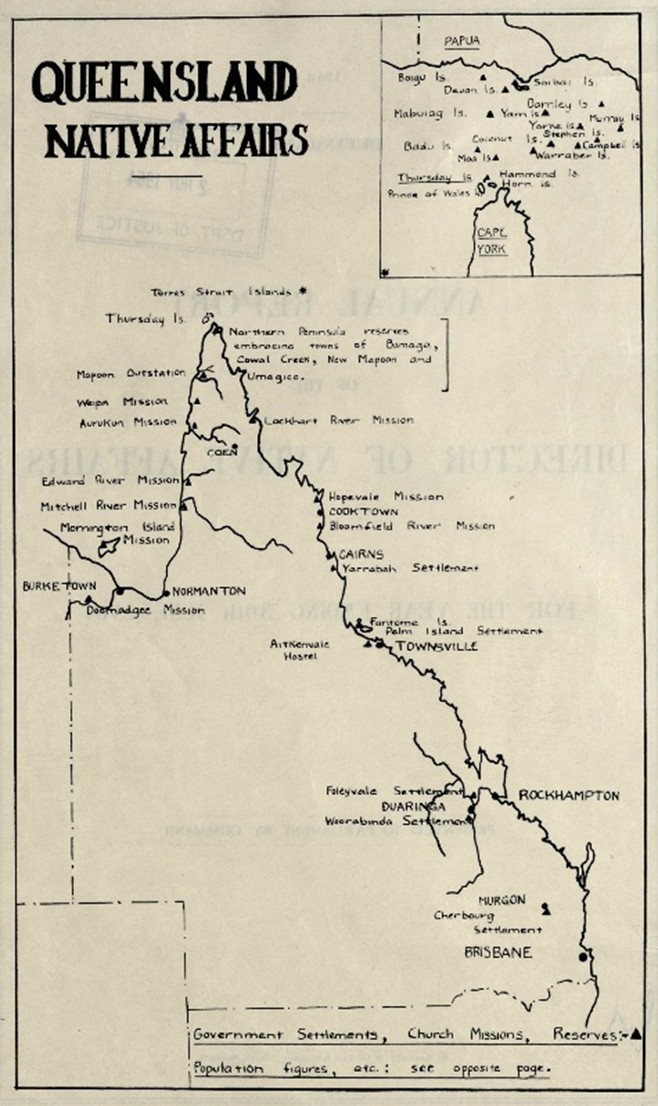
For many decades, Aboriginal and Torres Strait Islander peoples were the subjects of the archive, with limited influence over how records about them were created, managed or interpreted. The First Nations Principles embedded in Schedule 1, Part 1 of the Public Records Act 2023 represent a structural shift. They require public authorities to recognise that records relating to Aboriginal peoples and Torres Strait Islander peoples carry cultural, historical and ongoing community significance beyond their administrative purpose.
Operationalising this shift requires more than legislative change. It requires governance clarity. Many historical records were created during the Protection era, when Aboriginal people were legally considered “Wards of the State.” These records often contain extensive personal information captured prior to modern privacy frameworks, including the Information Privacy Act 2009. The nature and sensitivity of this material differs significantly from contemporary records, and most Aboriginal families were directly affected by these administrative systems. Against this backdrop, records management decisions cannot be treated as purely technical exercises. One recent example illustrates how this shift is being applied in practice. In 2024, during the former Truth-telling and Healing Inquiry, the State Archivist wrote to public authorities recommending the introduction of internal disposal freezes on records potentially relevant to the Inquiry. The decision recognised that records created through policies affecting Aboriginal and Torres Strait Islander peoples may carry continuing significance for families and communities.
Many of these records were created to administer control. Today, they may support family history, redress and cultural revitalisation.
Embedding the First Nations Principles means ensuring that decisions about record creation, appraisal, description, transfer and access are informed by cultural awareness, long-term consequence and sound professional judgement. The First Nations Strategy Team is currently developing interpretative guidance to assist public authorities in applying the Principles consistently and defensibly. The objective is to provide clarity strengthening governance maturity while reducing the risk of inadvertent harm. We cannot change how records were created in the past. But we can ensure that contemporary recordkeeping decisions reflect a more informed and accountable approach. That is the governance responsibility before us.
SESSION 3: POLICY & ASSURANCE, GOVERNMENT RECORDS (PAGR)
The draft Mandatory Standards are currently progressing through the regulatory approval process. While much of this work happens behind the scenes, it represents a substantial body of effort to ensure the standards are clear, practical and aligned with the intent of the new Act.
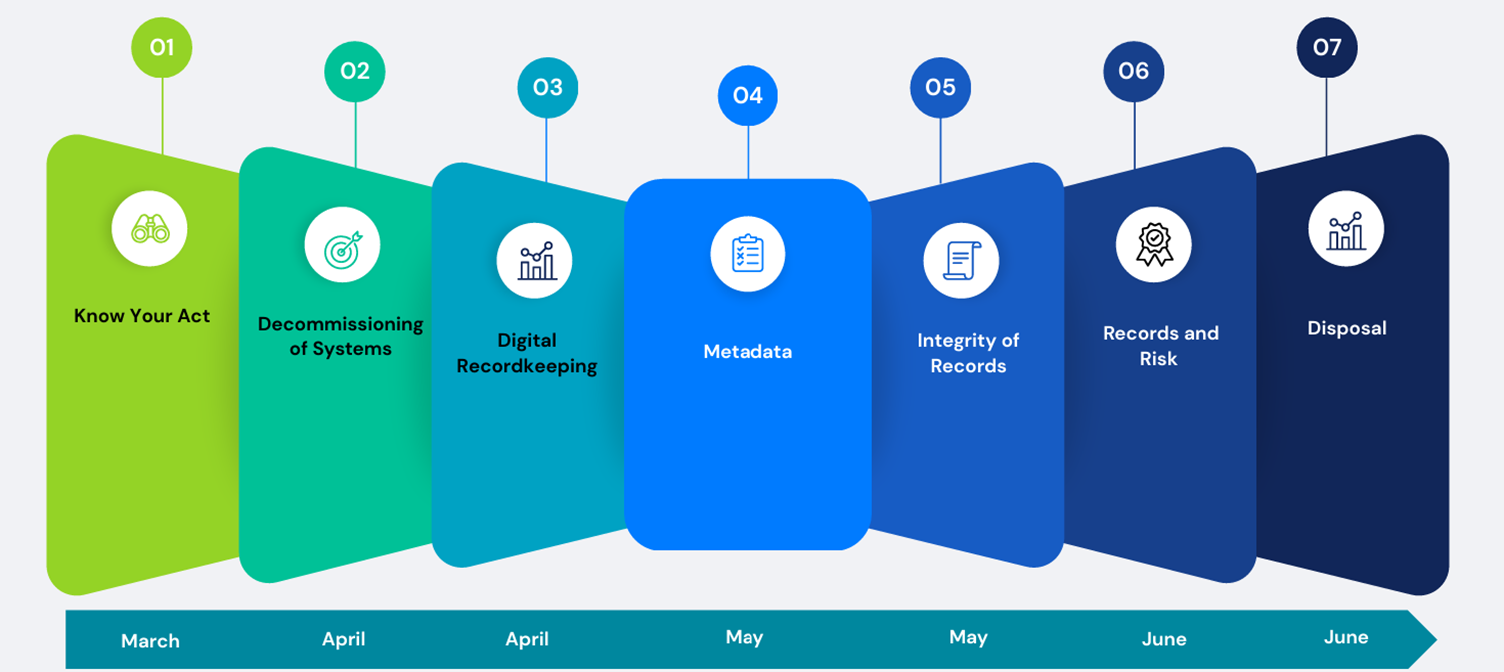
As soon as they are formally approved, we will circulate the final versions. Between now and when they are released, PAGR is working on developing a suite of practical, easy-to-use resources to help strengthen foundational records management knowledge and capability across the sector. These resources will be available digitally on our website, making them accessible whenever you need them.
The suite will include materials such as fact sheets (for example, on metadata or managing risk in records management) as well as more detailed guidelines — including guidance on the decommissioning of systems. Importantly, the topics we’re prioritising were identified as key areas of focus during our recent consultation rounds.
A big thank you to all our Community of Practice members for your incredible engagement and support since our very first meeting in 2024. We’re thrilled to share that the PRIME Network community has grown by an impressive 175% since its launch! Your enthusiasm and efforts in spreading the word have been instrumental in building this vibrant and collaborative network.
We look forward to seeing you at our next PRIME Network meeting on 3 June 2026!
Keep Up to Date
To keep up to date with QSA in 2026, make sure that you stay tuned in with our various communications channels:
- See our News and Events page
- Sign up to our public authority newsletter here Update from the Archives and read previous editions here
- Check out our other blog for posts on contemporary records management issues affecting the Queensland Public sector, summaries of our PRIME CoP meetings and summaries of other activities such as consultations
- Register your interest to join our community of practice: Register for PRIME Network.
 Records Connect
Leave a Reply